Best Countertop Water Filters for Families (2026)
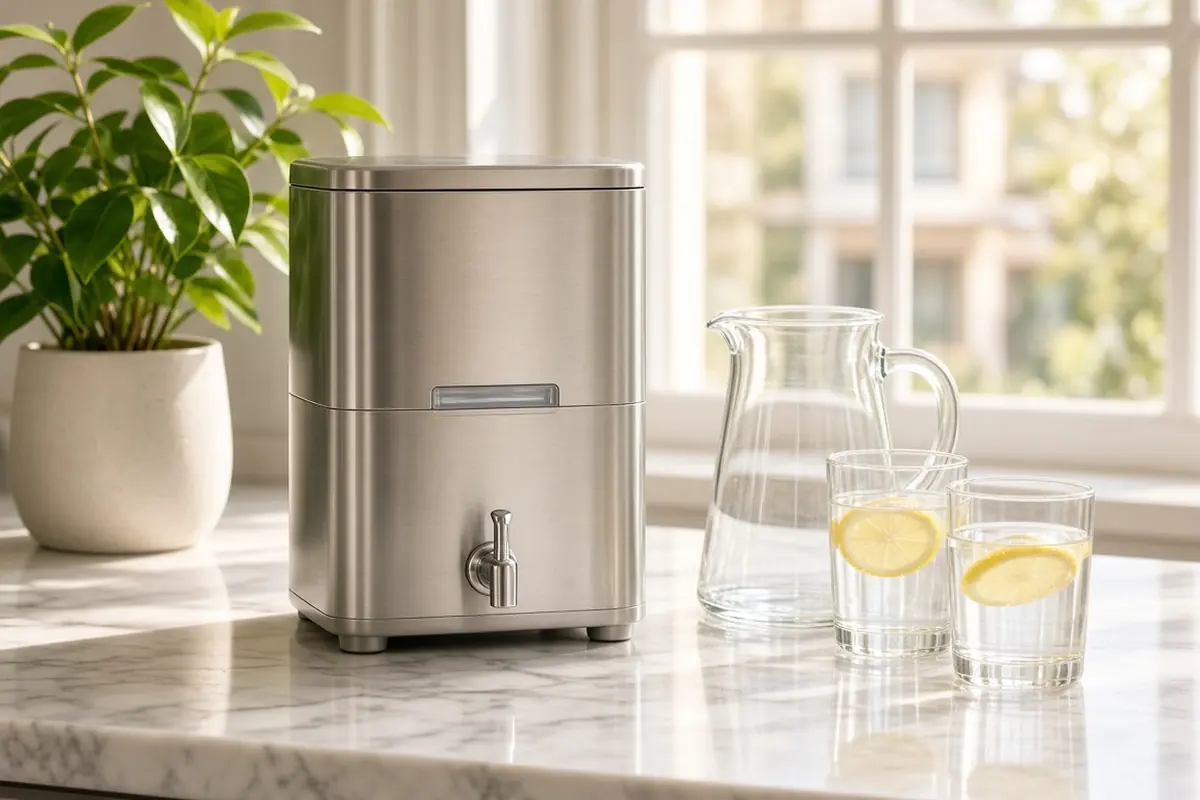
Water filters are confusing because every brand claims to remove everything. Here's how we'd choose one for a family, how to check a filter's certifications, and what to keep in mind if you're making formula.
Before you buy a water filter, it helps to know what's actually in your water. A filter that's perfect for one town might be overkill, or not enough, in another.
Step 1: Find out what's in your water
- City water: your utility publishes an annual Consumer Confidence Report (CCR), sometimes called a water quality report. Search your city's name plus "water quality report." It lists what was detected and at what levels.
- Well water: you're responsible for testing it. Your local health department can usually point you to a certified lab.
- Older homes: lead can come from pipes inside your house, not just the city's lines. If your home was built before 1986, testing your tap is worth it.
Step 2: Learn the certification shorthand
Look for independent certification to NSF/ANSI standards (by NSF, WQA, IAPMO or similar) for the specific contaminant you care about. The common ones:
| Standard | What it covers |
|---|---|
| NSF/ANSI 42 | Taste, odor, chlorine (aesthetic) |
| NSF/ANSI 53 | Health-related contaminants such as lead and certain chemicals |
| NSF/ANSI 58 | Reverse osmosis systems |
| NSF/ANSI 401 | Certain "emerging" contaminants (some pharmaceuticals, pesticides) |
| NSF/ANSI P473 / PFAS claims in 53 or 58 | PFOA/PFOS reduction |
The important part: check the exact model on the certifier's own website. "Tested to NSF standards" is not the same as "NSF certified." We're not able to independently test filters, so we rely on these listings and on long-term owner reviews.
Pitchers vs. countertop reverse osmosis
Pitchers are cheap, simple and live in the fridge. They're slower and hold less water, and the filters need regular replacing. Countertop reverse osmosis (RO) units push water through a very fine membrane, which removes a broader range of contaminants. They cost more, take counter space, and send some water to a wastewater tank. RO also strips minerals, including fluoride.
Best countertop reverse osmosis
This guide contains affiliate links, including Amazon links, so we may earn a commission; see the disclosure.
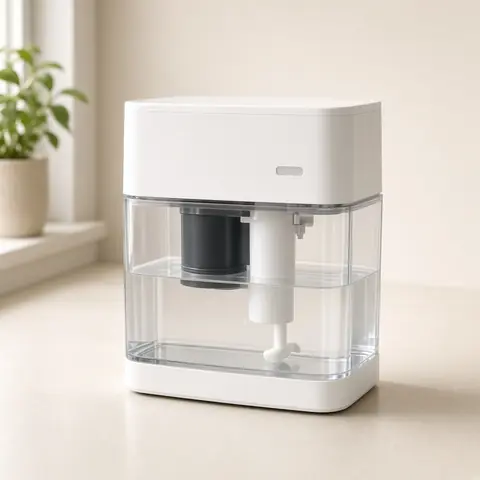
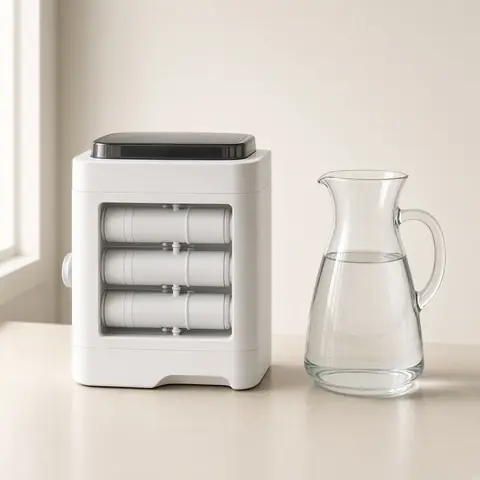
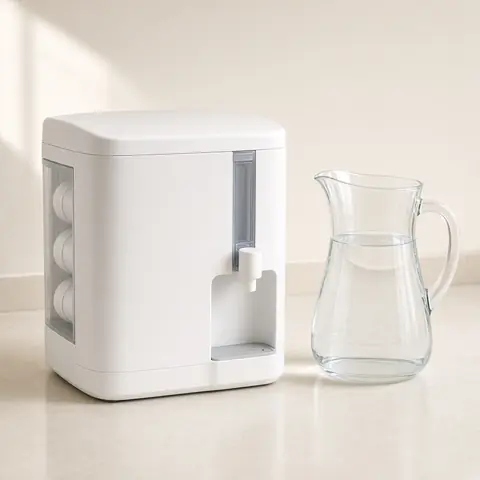
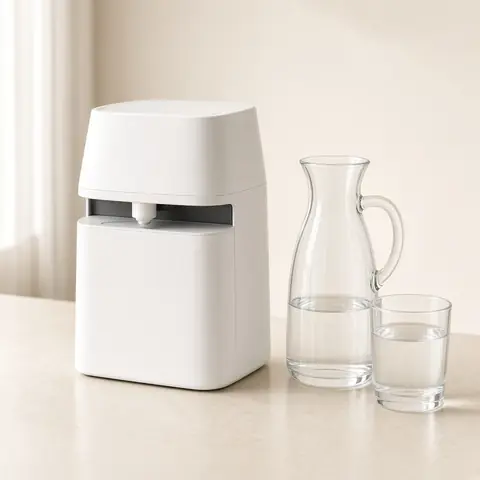
Illustrative photos, not the actual products. Tap a photo to see that pick on Amazon.
AquaTru Classic Countertop Reverse Osmosis Water Purifier
Reverse osmosis on your counter without installing anything under the sink.
Why we picked these
- AquaTru Classic Countertop Reverse Osmosis Water Purifier Best countertop RO, no plumbing Reverse osmosis on your counter without installing anything under the sink. RO is one of the most thorough home filtration methods, and AquaTru lists NSF/ANSI certifications for its system. Worth knowing: RO also removes minerals, including fluoride. If that matters for your family, talk to your pediatrician or dentist. It also makes some wastewater and takes counter space.
- AquaTru Carafe Countertop Reverse Osmosis System (Glass Carafe) RO with a glass carafe The same countertop RO idea, but your filtered water goes into a glass carafe instead of a plastic tank, which a lot of low-tox families prefer.
- Waterdrop C2S Countertop RO System with Glass Pitcher Compact RO with glass A small countertop reverse osmosis unit that fills a glass pitcher, and it lists PFAS reduction. Sized for one or two people and needs no installation. Worth knowing: Check the current filter-replacement schedule and cost before buying.
- Bluevua RO100ROPOT Countertop Reverse Osmosis System RO with a glass carafe A plug-in countertop reverse osmosis unit that dispenses into a borosilicate glass carafe and adds a remineralization stage. No plumbing or installation needed. Worth knowing: Check the current filter-replacement schedule and cost before buying.
Best filter pitchers
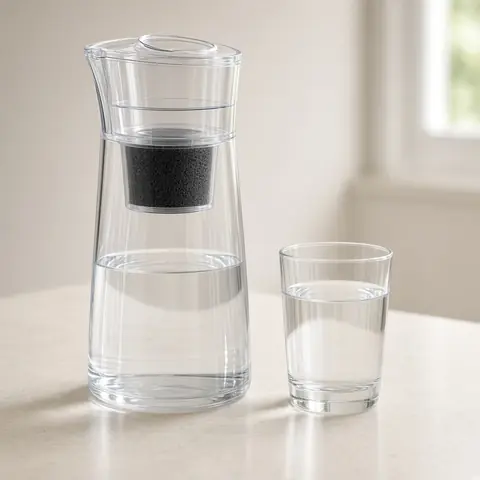
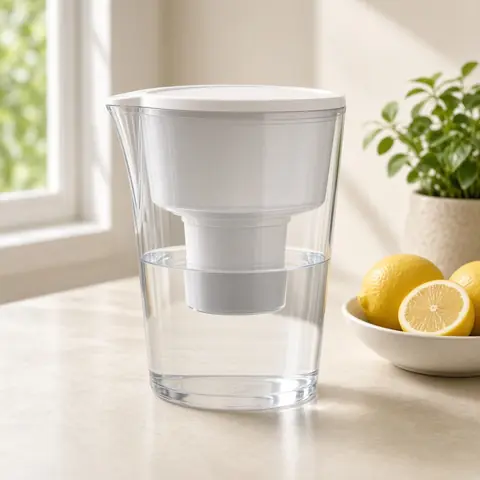
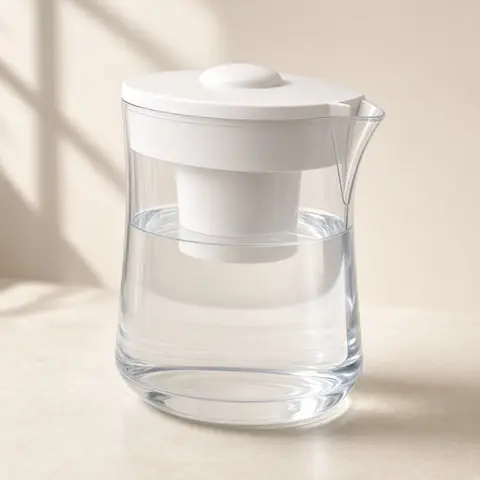
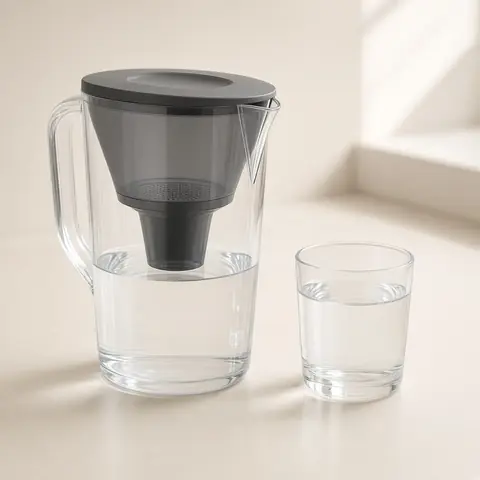
Illustrative photos, not the actual products. Tap a photo to see that pick on Amazon.
Clearly Filtered Water Filter Pitcher, 10 Cup
A popular pitcher among low-tox families because the brand publishes a long list of contaminants it's designed to reduce, including PFAS and lead.
Why we picked these
- Clearly Filtered Water Filter Pitcher, 10 Cup Pitcher with broad contaminant claims A popular pitcher among low-tox families because the brand publishes a long list of contaminants it's designed to reduce, including PFAS and lead. Worth knowing: Before buying any filter, look up the exact model's certifications (NSF/ANSI or WQA) on the certifier's website, not just the brand's own claims.
- Brita Large 10-Cup Pitcher with Elite Filter Widely available certified pitcher Brita's Elite filter (the long-last one, not the standard white filter) carries certifications for lead and a range of other contaminants. Easy to find replacement filters anywhere.
- ZeroWater 10-Cup Water Filter Pitcher Budget pick that shows its work A 5-stage pitcher that comes with a TDS meter, so you can see when the filter is spent instead of guessing. Inexpensive to start. Worth knowing: Filters can run out quickly if your water is hard, so replacement cost adds up.
- Epic Pure Water Filter Pitcher, 10 Cup Long-life pitcher filter Another pitcher popular with families on city water, with a filter rated for a longer life than many basic pitchers. Worth knowing: As always, check the specific certifications for the contaminants you care about.
If you're making infant formula
This is where we want to be really careful, because formula prep is a pediatrician question, not a blog question. A few general points from public health guidance:
- Always follow the instructions on your formula container and your pediatrician's advice, including whether to boil water.
- A filter doesn't make water sterile. Filtering and boiling are different steps for different purposes.
- If you use well water or have concerns about lead or nitrates, test your water and talk with your pediatrician before using it for formula.
- Fluoride in formula water is a common question. The CDC has guidance on this; ask your pediatrician what they recommend for your baby.
Keeping a filter working
A filter is only as good as its last cartridge change. Set a phone reminder for the replacement interval, and swap sooner if your water flows slowly or tastes off. Keep pitchers in the fridge and wash the reservoir regularly so it doesn't grow slime.
Filters are one of the bigger purchases in a low-tox kitchen, so if you're budgeting, see the swaps under $50 first and come back to this one.
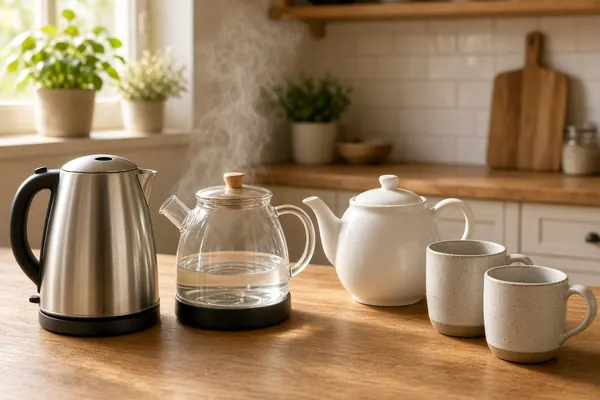
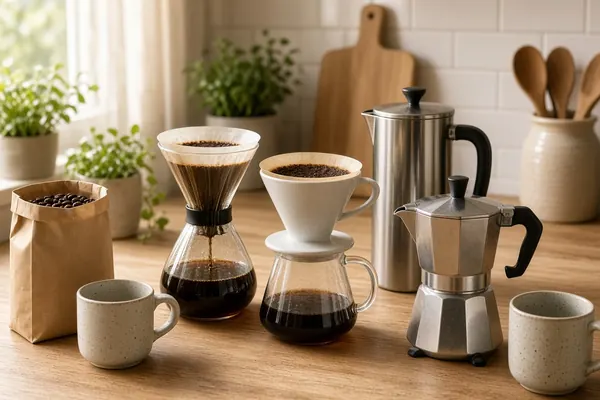
Once your water is filtered, boil it in a kettle with no plastic touching the water and brew with one of these glass, ceramic and stainless coffee makers.
FAQ
What NSF certification should a water filter have?
It depends on what's in your water. NSF/ANSI 42 covers taste, odor and chlorine; NSF/ANSI 53 covers health-related contaminants like lead; NSF/ANSI 58 covers reverse osmosis; NSF/ANSI 401 covers certain emerging contaminants; and P473 or PFAS claims under 53 or 58 cover PFOA/PFOS. Check the exact model on the certifier's website.
Is a filter pitcher or countertop reverse osmosis better?
Pitchers are cheap and simple but slower, hold less water and need regular cartridge changes. Countertop reverse osmosis removes a broader range of contaminants but costs more, takes counter space, sends some water to a wastewater tank and strips minerals, including fluoride.
Can I use filtered water for baby formula?
Follow the instructions on your formula container and your pediatrician's advice, including whether to boil water. A filter doesn't make water sterile. If you're on well water or have concerns about lead or nitrates, test your water and talk with your pediatrician first.
How do I find out what's in my tap water?
On city water, look up your utility's annual Consumer Confidence Report (water quality report). On a well, you're responsible for testing; your local health department can point you to a certified lab. If your home was built before 1986, testing your tap for lead is worth it.